
Regulation (EU) 2025/40 on packaging and packaging waste (PPWR) repeals the Packaging Directive 94/62/EC and introduces harmonised requirements on sustainability, labelling, re-use, recyclability, recycled content, packaging minimisation, as well as new Extended Producer Responsibility (EPR) obligations.
The Regulation aims to reduce packaging waste by promoting reusable packaging and refill systems. It also seeks to ensure that, by 2030, all packaging placed on the market in the European Union is recyclable in an economically viable manner and to increase the use of recycled plastic in the manufacture of new packaging.
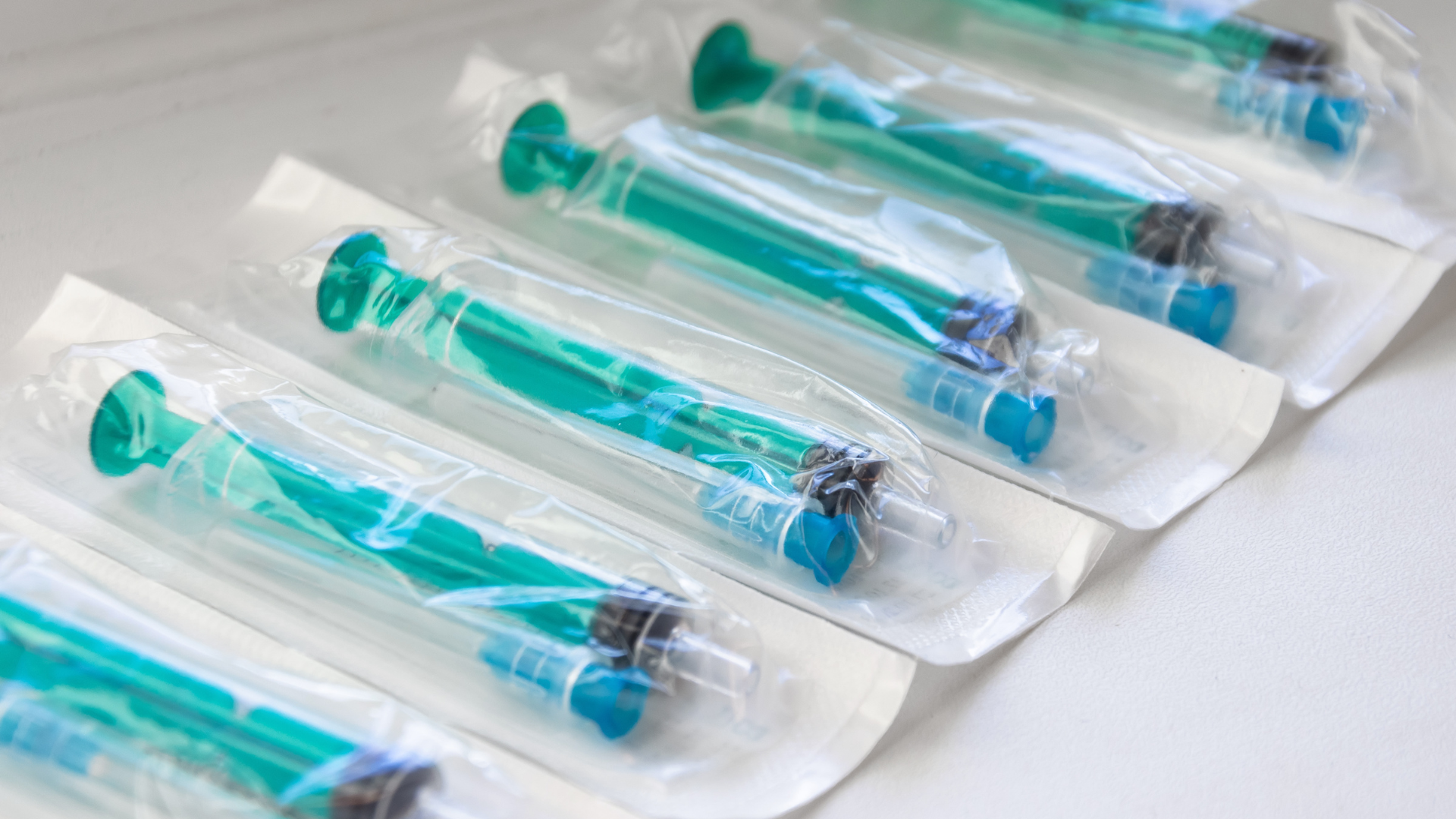
The PPWR applies to all packaging, regardless of the material used, and therefore also directly affects packaging used in regulated sectors such as cosmetics, food supplements and Medical Devices.
Published in the Official Journal of the European Union on 22 January 2025 and entered into force on 11 February 2025, the Regulation establishes its first key compliance deadline on 12 August 2026. By that date, economic operators must have in place robust and defensible documentation demonstrating compliance with the applicable requirements.
This article focuses on these first operational obligations.
Roles and responsibilities
One of the most significant aspects of the PPWR is the redefinition of roles throughout the supply chain and the introduction of new obligations for economic operators. The Regulation distinguishes between different actors in the supply chain – including manufacturers, suppliers, importers, distributors and fulfilment service providers – clearly defining their respective roles and responsibilities.
Among these, the following are of particular relevance:
- Manufacturer for the purposes of the PPWR (Article 3(13)): the natural or legal person who manufactures packaging or packaged products, or has packaging or packaged products designed or manufactured, and markets them under its own name or trademark. Consequently, the manufacturer does not necessarily coincide with the company that physically manufactures the packaging. In practice, the brand owner is generally considered the manufacturer for the purposes of the PPWR and is therefore responsible for ensuring that the packaging complies with the applicable requirements, as well as for drawing up the technical documentation and the EU Declaration of Conformity (DoC).
However, this qualification should always be assessed on a case-by-case basis, taking into account the structure of the supply chain and the exemption applicable where the holder of the name or trademark is a microenterprise and the packaging supplier is established in the same Member State.
- Producer under the PPWR (Article 3(15)): the natural or legal person who first makes available packaging or packaged products in the territory of a Member State or directly supplies them to end users in another Member State. This qualification is relevant to Extended Producer Responsibility (EPR) obligations and may not coincide with that of the manufacturer.
Businesses using packaging, including operators placing cosmetics, food supplements or Medical Devices on the market under their own brand (brand owners), should assess on a case-by-case basis which PPWR roles they fulfil in order to determine their respective obligations.
12 August 2026 deadline: EU Declaration of Conformity (DoC) and technical documentation
In summary, by 12 August 2026, it must be possible to demonstrate compliance with the applicable requirements for packaging through:
- Identification of the manufacturer and, where applicable, qualification as producer for Extended Producer Responsibility (EPR) purposes.
- Technical documentation and EU Declaration of Conformity (DoC): these must be drawn up by the manufacturer on the basis of the applicable conformity assessment procedure laid down in Articles 38 and 39 and the technical documentation requirements set out in Annex VII. The DoC must be drawn up and kept by the manufacturer on the basis of the documentation received from the relevant supply chain partners and must be made available in the event that the competent authorities request it.
- Proper fulfilment of national registration and Extended Producer Responsibility obligations: these obligations must be fulfilled by the producer.
Importers and distributors are required to verify that the required documentation is effectively available before making packaging available on the market.
What should be included in the DoC as of 12 August 2026
The first version of the Declaration of Conformity must cover the mandatory requirements applicable as of 12 August 2026 and subject to conformity assessment.
- Technical documentation (Annex VII)
The manufacturer shall compile the technical documentation, including descriptions, material specifications and laboratory test reports, supporting the EU Declaration of Conformity.
- Substances of concern in packaging (Article 5)
It must be demonstrated that the presence and concentration of substances of concern in packaging materials, as well as emissions resulting from packaging waste management operations, are minimised, and that the sum of heavy metals (lead, cadmium, mercury and hexavalent chromium) does not exceed 100 mg/kg. For food-contact packaging (including many packaging solutions used for food supplements and nutraceuticals), the manufacturer must also demonstrate compliance with the PFAS restrictions laid down in Article 5.
- Reusable packaging (Article 11)
Where packaging is placed on the market as reusable packaging, it must comply with the functional and structural requirements set out in Article 11, including requirements relating to durability and suitability for reuse, taking into account the evolution of delegated acts.
Note for cosmetics and Medical Devices: the verification of substances and compliance with the general heavy metal limit (100 mg/kg) must always be ensured and documented. However, the PFAS restrictions applicable to food-contact packaging do not apply to these sectors.
Requirements becoming applicable after 12 August 2026
Although they represent key elements of the PPWR, the following requirements will become applicable progressively. Therefore, they do not need to be included in the initial Declaration of Conformity issued on 12 August 2026, as compliance with these provisions is not yet required:
- Recyclability (Article 6): mandatory only from the date of application of the design-for-recycling criteria, starting from 1 January 2030 (with the full application of recyclability requirements from 2035).
- Packaging minimisation (Article 10): applicable from 1 January 2030. Until then, applying the harmonised standard EN 13428:2004 remains recommended.
- Recycled content (Article 7): minimum recycled plastic content percentages applicable from 2030.
- Compostability (Article 9): mainly applicable from 2028, unless already covered by other applicable legislation.
- Harmonised labelling (Article 12): mandatory from 12 August 2028 or 24 months after the adoption of the implementing act. Until then, national labelling requirements remain applicable in Italy. QR codes for reusable packaging will become mandatory from 12 February 2029 or 30 months after the adoption of the implementing act.
Key actions to complete by 12 August 2026
In summary, the main activities to be carried out are:
- 1. Map the packaging portfolio: identify primary, secondary, multi-component, transport and service packaging, distinguishing between food-contact packaging and packaging placed on the market as reusable packaging. This mapping represents the essential preliminary step to identify which data and test reports should be requested from each supplier.
- Identify PPWR roles: determine which entities act as manufacturer, producer, importer or distributor, taking into account own-brand products and cross-border sales.
- Identify the moment of placing on the market: correctly manage batches, stocks, imports and packaged products, with particular attention to filled food-contact packaging and imported packaging.
- Collect technical evidence on substances: obtain declarations, test reports or technical data suitable to demonstrate compliance with the limits for heavy metals and, where applicable, PFAS.
- Structure document flows with suppliers: request supporting data and documentation, avoiding informal or non-traceable processes. The DoC does not necessarily need to be proactively provided to customers, but the supporting evidence must be made available.
- Prepare the technical documentation and DoC: prepare a consistent and accurate template for the EU Declaration of Conformity.
- Verify identification information on packaging: ensure that the packaging bears the name, registered trade name or registered trademark of the manufacturer and the postal address at which the manufacturer can be contacted. This information may be provided directly on the packaging or through a QR code or other digital data carrier, as provided for by the PPWR.
- Prepare the 2028–2035 roadmap: plan in advance for compostability, harmonised labelling, recyclability, packaging minimisation and recycled content requirements, which will become subject to conformity assessment according to progressive deadlines.
>>> Complife supports companies throughout their PPWR compliance journey, from strategic regulatory consultancy and preparation of the EU Declaration of Conformity (DoC) to the execution of the necessary supporting analytical tests.


