
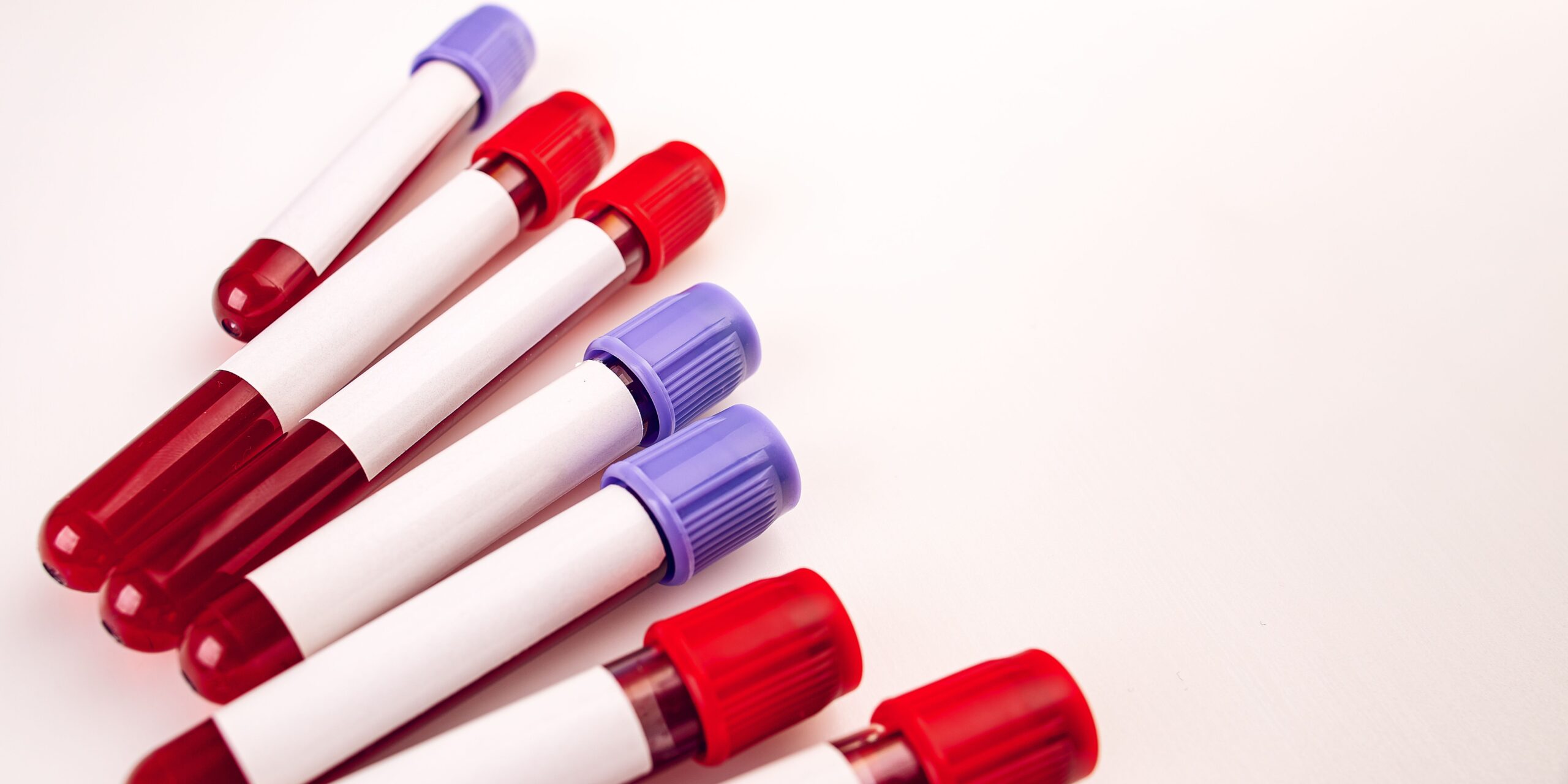
In September 2026, the US FDA finalized two guidance documents for manufacturers of specific Medical Devices: “Recommendations for the Development of Blood Collection, Processing, and Storage Systems for the Manufacture of Blood Components Using the Buffy Coat Method“ (docket FDA-2024-D-2732, CBER) and “Dental Composite Resin Devices – Premarket Notification (510(k)) Submissions” (docket FDA-2024-D-2511, CDRH).
Both documents clarify FDA expectations for pre-market submissions and US market entry, offering actionable recommendations on technical compliance and safety, such as product characterization, biocompatibility, performance testing, and shelf-life testing.
Buffy Coat Systems for Blood Components (CBER)
The guidance provides non-binding recommendations for manufacturers developing blood collection, processing, and storage systems intended for preparing blood and blood components for transfusion using the buffy coat method. This includes, for example, systems with containers holding anticoagulants or additive solutions, as well as empty bags used for platelet pooling.
The following are explicitly excluded:
- Devices intended for the production of platelet-rich plasma (PRP) or similar products for therapeutic uses other than transfusion;
- Establishments that manufacture blood and blood components using the buffy coat method with collection, processing, and storage systems that are already approved or cleared.
Key recommendations include:
- Biological Evaluation and Biocompatibility (ISO 10993-1): the dossier must document the biological evaluation of the finished system under its intended conditions of use. FDA recommends an extractables and leachables (E&L) characterization alongside a toxicological risk assessment of detected substances.
- Blood Component Comparability and Clinical Evidence: the submission must provide analytical and clinical evidence demonstrating the comparability of the blood components obtained to those produced with approved or cleared systems throughout the intended storage period.
- Regulatory Pathways and Early Consultation: the applicable regulatory route depends on system configuration and the solutions contained. FDA recommends that manufacturers engage early with the Office of Blood Research and Review (OBRR) to identify the appropriate path.
- Process Parameters and Materials: whole blood hold at room temperature up to 24 hours prior to processing is acceptable when supported by experimental data and specific instructions for use. For comparability studies, FDA outlines specific criteria for platelets—including comparison endpoints, control selection, and sample size – while establishing a storage-end hemolysis criterion of ≤1% for red blood cells (RBC), requiring non-conforming results to be investigated and addressed in the submission. Using DEHP-free materials or novel additive solutions requires dedicated safety and performance evidence.
Dental Composite Resin Devices: Premarket Notification 510(k) (CDRH)
Replacing the 2005 version, this CDRH guidance sets expectations for 510(k) submissions regarding composite resin devices for the restoration of carious lesions or structural defects (21 CFR 872.3690, product code EBF) and pit and fissure sealants (21 CFR 872.3765, product code EBC). Materials such as cements, adhesives, veneers, and provisional restorative materials remain excluded.
The document updates recommendations on device description, chemical characterization, biocompatibility, performance bench testing, shelf-life, labelling, and supporting clinical data, accounting for device characteristics, differences versus the predicate device, and specific marketing claims.
Key elements include:
- Biocompatibility (ISO 7405 and ISO 10993-1): Biological evaluation should follow ISO 7405 (Dentistry – Evaluation of biocompatibility of Medical Devices used in dentistry), addressing relevant endpoints based on contact nature and duration, including cytotoxicity, sensitization, irritation/reactivity, genotoxicity, and systemic toxicity.
- Chemical Characterization and Leaching Profiles: Full formulation disclosure up to 100% total mass with CAS numbers where available. For devices releasing fluoride, calcium, phosphorus, or other active agents, FDA recommends a cumulative 7-day elution profile.
- Mechanical and Functional Testing: Physical and mechanical performance evaluation under relevant standards (e.g., ISO 4049), including flexural and compressive strength, elastic modulus, hardness, water sorption, solubility, and radiopacity. Light-cured materials require depth of cure, exposure time, intensity, and spectral testing; chemical-cure systems require working and setting time assessments.
- Shelf-Life and Clinical Claims: Stability should be established via accelerated aging (ASTM F1980) and supported by real-time studies. Clinical data are generally not required for standard devices, but may be requested for specific claims, such as extended longevity, remineralization, or caries prevention and reduction.
Manufacturer Takeaways
Overall, both guidances reinforce the need for a comprehensive, documented evaluation of the finished device based on robust biocompatibility, chemical characterization, performance, and stability data aligned with the intended use and regulatory pathway. Manufacturers should run early gap analyses during development to verify data completeness and meet FDA submission requirements.
>>> Complife supports medical device manufacturers with regulatory consulting and testing services, including biocompatibility, through technical documentation preparation for pre-market submissions.
SOURCES:


